
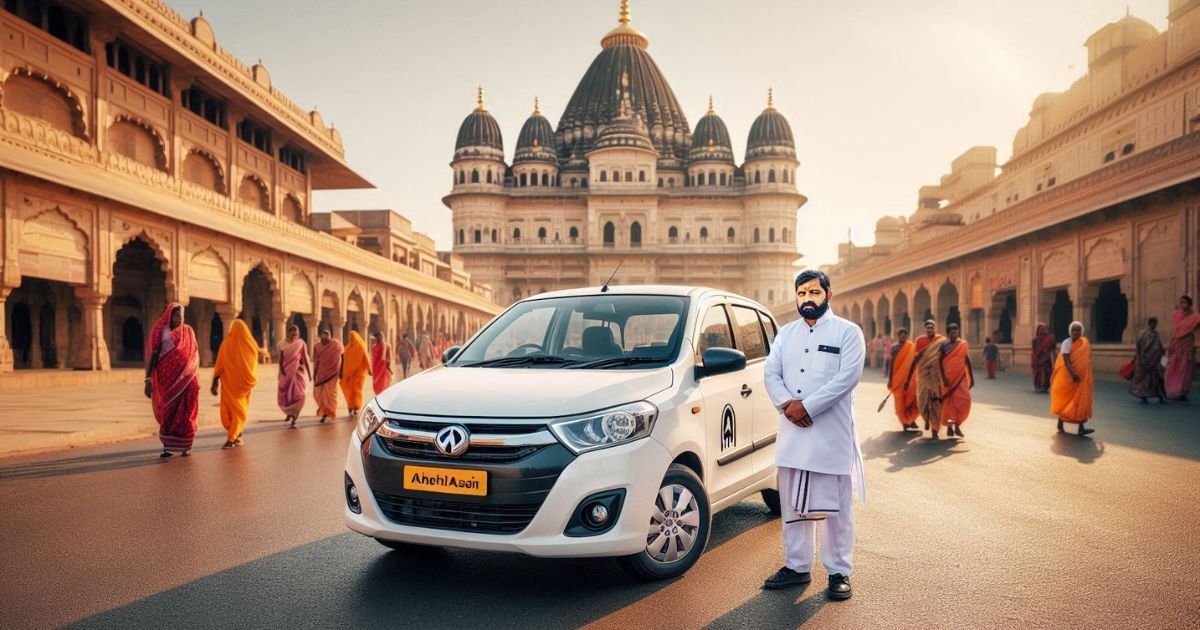
Prayagraj to Ayodhya Same-Day Cab Tour , Imagine starting your morning at the sacred Sangam in Prayagraj and ending your day witnessing the divine aarti on the banks of the Saryu River in Ayodhya. Sound ambitious? With a well-planned same-day cab tour, this spiritual double feature is not just possible—it’s absolutely rewarding. Two of Hinduism’s most significant pilgrimage destinations in one unforgettable day? Let’s explore how to make it happen.
Why Combine Prayagraj and Ayodhya?
Prayagraj to Ayodhya Same-Day Cab Tour , Both Prayagraj and Ayodhya hold immense religious significance in Hindu tradition. Prayagraj, with its sacred Triveni Sangam, represents purification and spiritual cleansing. Ayodhya, the birthplace of Lord Ram, symbolizes dharma, devotion, and cultural heritage. Together, they offer a comprehensive spiritual experience that connects pilgrims with two fundamental aspects of Hindu faith.
For visitors already in Prayagraj for Magh Mela or other religious occasions, extending the journey to Ayodhya makes perfect sense. You’re already in Uttar Pradesh, the roads connecting these cities have improved significantly, and the opportunity to visit Lord Ram’s birthplace is something devotees shouldn’t miss. It’s like completing a spiritual circuit—cleansing your soul at Sangam and seeking blessings at Ram Janmabhoomi in the same pilgrimage.
The Journey: What to Expect
Distance and Travel Time
The distance between Prayagraj and Ayodhya is approximately 160-170 kilometers, depending on your exact starting and ending points. With current road conditions, particularly after recent infrastructure improvements, the journey takes about 3.5 to 4.5 hours by car. This makes a same-day return trip perfectly feasible—you’re looking at roughly 7-8 hours of total travel time, leaving you with 4-5 hours for sightseeing in Ayodhya.
The route primarily follows National Highway 27 and National Highway 330, both well-maintained highways that allow comfortable cruising speeds. Unlike older routes that meandered through multiple towns, these modern highways offer relatively smooth, continuous travel with minimal traffic interruptions outside major urban areas.
Route Highlights
The journey itself offers glimpses of rural Uttar Pradesh—agricultural fields, small towns, and the Gangetic plains landscape. You’ll pass through or near several towns including Raebareli and Sultanpur. Rest stops with clean facilities and refreshment options are available at regular intervals along the highway.
Your cab driver, especially if experienced with this route, can point out local landmarks and share stories about the region. Some drivers even know good spots for breakfast or lunch breaks—local dhabas serving authentic North Indian food that adds flavor to your journey beyond just the destination.
Must-Visit Places in Ayodhya
Ram Janmabhoomi Temple
Your primary destination in Ayodhya is the Ram Janmabhoomi complex—the sacred birthplace of Lord Ram. The newly constructed grand temple has become a magnificent architectural marvel, drawing devotees from across the globe. The spiritual energy here is overwhelming, especially when you realize you’re standing at the exact spot where Hindu tradition believes Lord Ram was born.
Security is understandably tight given the site’s significance, so expect thorough checking and some waiting time, especially on weekends and festivals. Carry minimal belongings and valid ID. The darshan experience is deeply moving—worth every minute of the journey. Photography restrictions apply in certain areas, so respect the guidelines.
Hanuman Garhi
After Ram Janmabhoomi, head to Hanuman Garhi, a fortress-temple dedicated to Lord Hanuman. Located on a hilltop, this temple requires climbing 76 steps, but the spiritual atmosphere and panoramic views of Ayodhya make the effort worthwhile. The temple’s architecture reflects a blend of Hindu and Mughal styles, and the sanctum houses a beautiful idol of child Hanuman in his mother Anjani’s lap.
Devotees believe visiting Hanuman Garhi before Ram Janmabhoomi brings special blessings. The temple complex is always bustling with activity, prayers, and bhajans creating a devotional ambiance that uplifts your spirit.
Kanak Bhawan
Kanak Bhawan, gifted to Goddess Sita by Lord Ram’s stepmother Kaikeyi, is one of Ayodhya’s most beautiful temples. The temple houses magnificent gold crowns (kanak) on the deities of Ram and Sita, giving it the name Kanak Bhawan. The intricate artwork, peaceful atmosphere, and the story behind this temple make it a must-visit.
The temple architecture features stunning murals depicting scenes from the Ramayana. Unlike some crowded temples, Kanak Bhawan often allows for quieter, more contemplative darshan, giving you space to connect personally with the divine.
Saryu River Aarti
If your timing allows, don’t miss the evening aarti at the Saryu River ghats. This daily ritual, similar to the Ganga aarti in Varanasi, involves priests performing synchronized worship with large oil lamps, accompanied by devotional music and chanting. The sight of countless diyas floating on the river as dusk settles creates an ethereal, unforgettable atmosphere.
The aarti typically begins around sunset (timing varies by season). Your cab can wait while you participate in or observe this beautiful ceremony, providing a perfect spiritual conclusion to your Ayodhya visit before the return journey to Prayagraj.
Planning Your Same-Day Itinerary
Departure Time from Prayagraj
For an optimal same-day tour, start early—ideally between 5:00-6:00 AM from Prayagraj. This early departure means you reach Ayodhya by 9:00-10:00 AM, avoiding both travel and temple crowds. Morning darshan at Ram Janmabhoomi is generally less crowded than afternoon visits.
Early start also gives you buffer time for unexpected delays—traffic, road work, or simply spending extra time at a particularly meaningful site. You want flexibility, not pressure, especially on a spiritual journey where rushing defeats the purpose.
Time Management at Each Site
Allocate approximately 90-120 minutes for Ram Janmabhoomi (including security checks and darshan waiting time). Hanuman Garhi requires about 45-60 minutes. Kanak Bhawan can be covered in 30-45 minutes. Include time for a meal break—Ayodhya has several decent vegetarian restaurants near the temple areas.
If attending the Saryu aarti, plan to finish other sightseeing by 4:00-4:30 PM, giving you time to reach the ghat, find parking, and get a good viewing spot. After the aarti (which lasts 30-45 minutes), begin your return journey by 7:00 PM, reaching Prayagraj around 11:00 PM-midnight.
Benefits of Hiring a Cab
Comfort and Flexibility
A private cab offers unmatched comfort for this 300+ kilometer round trip. Air-conditioning matters when you’re traveling during day hours. You control the pace—want to stop for photos at a scenic spot? No problem. Need a restroom break? Your driver finds one. Want to skip a site and spend more time at another? It’s your call.
Cab drivers familiar with both cities know exactly where to park near temples, which routes avoid traffic, and can even suggest good food stops. They handle navigation while you relax, pray, or simply enjoy conversations with family. For elderly pilgrims or families with children, this convenience is invaluable.
Cost-Effectiveness for Groups
While a cab might seem expensive for solo travelers, it becomes surprisingly economical for families or groups of 4-6 people. Split between multiple passengers, the per-person cost often matches or even beats public transport when you factor in total convenience and time saved. Plus, there’s no lugging baggage on buses or coordinating train schedules.
You’re essentially renting private transportation for 15-16 hours, gaining tremendous flexibility and comfort. When you calculate the value of comfort, time efficiency, and stress-free travel, the cab investment easily justifies itself.
Practical Tips for Your Tour
Carry valid photo ID (mandatory for Ram Janmabhoomi entry). Dress modestly—traditional Indian wear is respectful and appropriate. Pack light since most temples don’t allow bags inside; secure lockers are available. Bring water, snacks, and any medications you might need.
Book your cab in advance through reputed operators. Confirm whether fuel, tolls, parking fees, and driver allowances are included in the quoted price. Discuss the itinerary with your driver beforehand, ensuring you’re both clear on timing expectations. Keep some cash handy for temple donations, offerings, and meal stops.
Check weather forecasts and pack accordingly—sunscreen for summer, warm clothes for winter. Download offline maps as backup. Inform family about your itinerary and expected return time. Most importantly, maintain a flexible, patient mindset—spiritual journeys sometimes bring unexpected moments that become the most memorable parts of your day.
Conclusion
A same-day cab tour from Prayagraj to Ayodhya is more than just checking off two pilgrimage destinations—it’s about weaving together different threads of Hindu spirituality into one cohesive, enriching experience. You begin at the confluence of sacred rivers and end at the birthplace of an avatar who defines dharma itself. The journey between these spiritual poles becomes a meditation on faith, culture, and heritage.
Yes, it’s a long day. Yes, you’ll be tired by evening. But the spiritual fulfillment, the blessings you collect, and the memories you create make every kilometer worthwhile. When you finally return to Prayagraj late at night, you carry something precious—a heart full of devotion and a soul touched by divine grace at two of India’s holiest destinations.
Frequently Asked Questions (FAQs)
1. How much does a Prayagraj to Ayodhya same-day cab tour cost?
A same-day round-trip cab typically costs ₹4,000-₹8,000 depending on vehicle type and season. Sedans like Swift Dzire or Etios cost ₹4,000-₹5,500, while SUVs like Innova or Ertiga range from ₹6,000-₹8,000. Premium cars cost more. This usually covers approximately 350 km, driver charges, and fuel. Confirm whether tolls (approximately ₹300-₹500), parking fees, and driver allowances are included. During peak pilgrimage seasons, prices may increase by 20-30%.
2. Is it possible to visit both Prayagraj and Ayodhya comfortably in one day?
Yes, but with realistic expectations. You can comfortably visit Sangam in Prayagraj very early morning (5:00-6:00 AM), then travel to Ayodhya to cover Ram Janmabhoomi, Hanuman Garhi, and Kanak Bhawan, returning by late night. However, you won’t have time for extensive exploration of both cities. This itinerary works best if you’re primarily staying in Prayagraj and making Ayodhya a focused day excursion, or vice versa.
3. What is the best day of the week to visit Ayodhya from Prayagraj?
Weekdays (Monday-Thursday) are significantly less crowded than weekends. Tuesday and Saturday see higher footfall due to Hanuman worship traditions. If possible, avoid public holidays and festival dates when crowds swell dramatically. During Magh Mela season in Prayagraj, Ayodhya also experiences increased pilgrim traffic. For the most peaceful experience with shorter darshan queues, opt for weekday visits, especially Wednesday or Thursday mornings.
4. Are there any good places to eat during the journey?
Yes, several decent options exist along the route. Highway dhabas between Prayagraj and Ayodhya serve good vegetarian North Indian food—dal, roti, rice, vegetables. Towns like Raebareli have local restaurants. In Ayodhya itself, several vegetarian restaurants operate near temple areas, offering thalis and South Indian snacks. Your driver usually knows reliable, hygienic stops. Pack some snacks and water as backup, especially if you have specific dietary requirements or are traveling with children.
5. Do we need to book darshan in advance for Ram Janmabhoomi Temple?
As of now, advance booking is not mandatory for general darshan at Ram Janmabhoomi, though special VIP darshan options may require booking. However, this could change as the temple complex develops further. Check the official Ram Janmabhoomi Trust website or ask your cab operator for current requirements before traveling. During special occasions and festivals, advance arrangements might be necessary. Carry valid ID regardless, as it’s mandatory for security clearance at the temple complex.